

Antelope Canyon
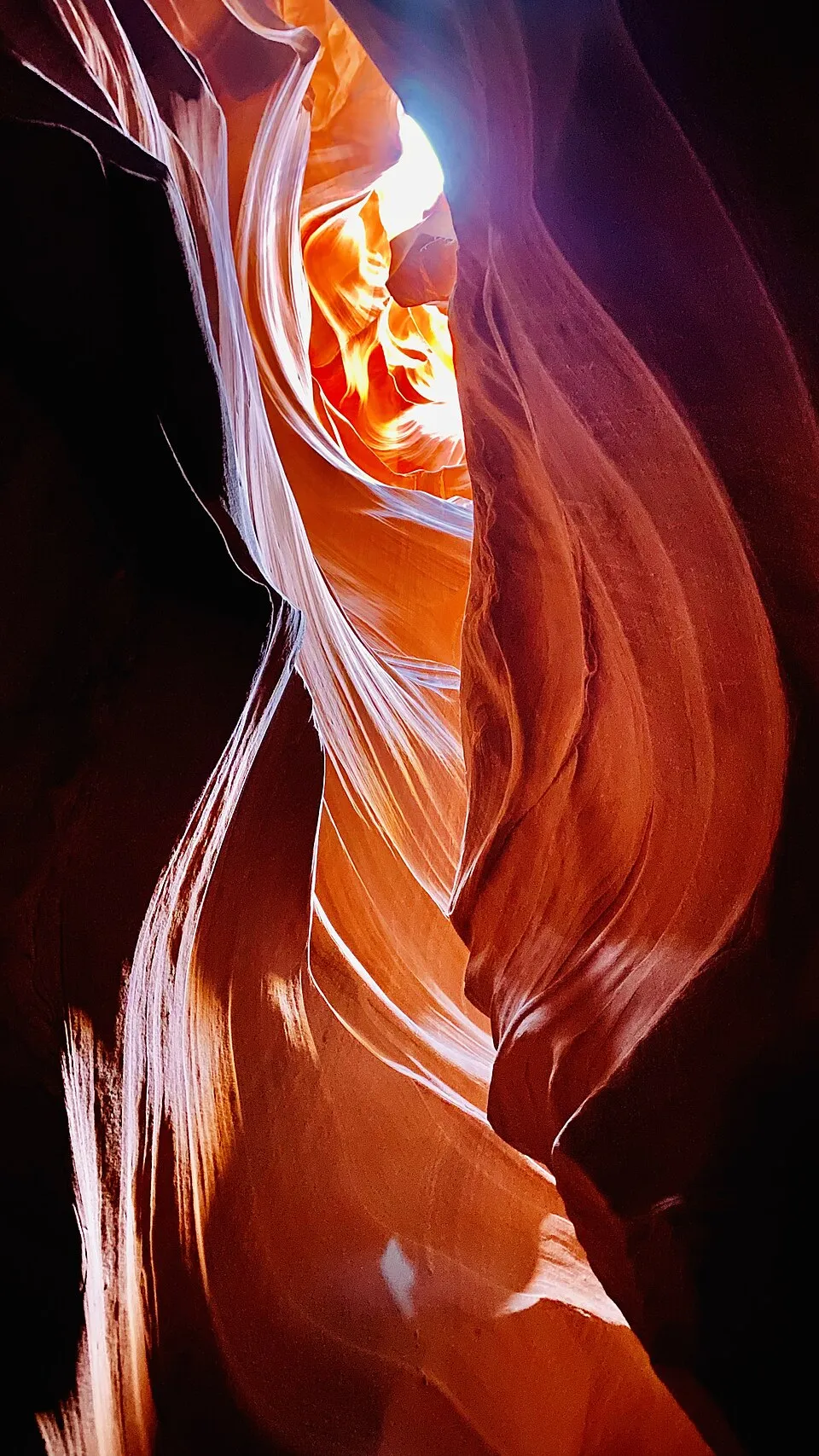
Antelope Canyon is a breathtaking slot canyon known for its undulating walls and stunning light beams that illuminate the narrow corridors. Located on the Navaj
type
Sandstone slot canyon
built
Formed over millions of years
last used
Continuously open to visitors
length
Upper: 660 feet (200 m), Lower: 1,335 feet (407 m)
capacity
Limited to guided tours
address
LeChee, AZ 86024, USA
metro
Not applicable
entrance
Guided tours only
typical visit
1-2 hours
best time
Spring and Fall for optimal lighting and weather
accessibility
Moderate hiking required, not wheelchair accessible
Overview
Nestled in the heart of the Navajo Nation, Antelope Canyon is a mesmerizing labyrinth of smooth, swirling sandstone. This natural wonder, sculpted by centuries of wind and water, offers a surreal experience with its ever-changing play of light and shadow. The narrow passageways and towering walls create an otherworldly atmosphere that captivates visitors from around the globe.
Photo & Video Gallery
Plan your visit · tickets & tours
Powered by the smart booking engine · trusted providers, direct links


Location
History of the attraction
Scroll through two thousand years
Formation Begins
The sandstone layers begin to form as sediment deposits in a vast desert environment.
First Human Presence
Native American tribes, including the Navajo, start to inhabit the area and use the canyons for shelter and spiritual purposes.
Navajo Settlement
The Navajo people establish a more permanent presence in the region, using the canyons for various activities.
Flooding Event
A significant flash flood reshapes the canyon, creating the current formations and leading to the discovery of the lower section.
Tourism Boom
The canyon gains international recognition and becomes a major tourist attraction, with guided tours becoming mandatory.
The story behind the attraction
Antelope Canyon is a place where nature's artistry is on full display, a testament to the power and beauty of the elements. The canyon's story is one of transformation, spirituality, and awe-inspiring natural wonder.
The Formation of the Canyon
Over millions of years, the forces of wind and water carved the sandstone into the intricate and flowing shapes we see today. The soft, porous nature of the Navajo Sandstone made it particularly susceptible to erosion, resulting in the unique and fluid forms that define Antelope Canyon.
Spiritual Significance
For the Navajo people, Antelope Canyon holds deep spiritual significance. It is considered a sacred site, and many believe that the canyon's formations are the work of divine beings. The Navajo name for the canyon, Tse' bighanilini, means 'the place where water runs through rocks.'
The Power of Water
Flash floods have played a crucial role in shaping the canyon. In 1997, a severe flood swept through the canyon, altering its landscape and revealing new formations. These events, while destructive, also contribute to the canyon's ever-evolving beauty.
Photography and Tourism
The canyon's striking beauty has made it a favorite among photographers and tourists. The interplay of light and shadow creates a dynamic and ever-changing visual experience, making each visit unique. Guided tours ensure that visitors can safely explore and appreciate this natural wonder.
“The most beautiful thing we can experience is the mysterious. It is the source of all true art and science.”
“Nature is not a place to visit. It is home.”
Legends & side stories
The Legend of the Spider Woman
According to Navajo legend, the Spider Woman, or Na'ashjéii Asdzáá, lives in the canyon and is responsible for the creation of the web-like patterns in the rock. She is a powerful and protective figure, watching over those who enter her domain.
What to see today
01Light Beams
During the midday, shafts of sunlight penetrate the narrow openings, creating stunning beams of light that illuminate the canyon's interior.
02Sculpted Walls
The smooth, undulating walls of the canyon, shaped by centuries of erosion, offer a mesmerizing display of natural artistry.
03Lower Antelope Canyon
Also known as Hasdeztwazi, or 'spiral rock arches,' the lower section of the canyon features narrower, more winding passageways and equally breathtaking formations.
04Canyon Floor
The sandy floor of the canyon, often marked by the tracks of previous visitors, adds to the otherworldly atmosphere and provides a unique perspective on the surrounding formations.
Visitor information
tips
Wear comfortable shoes, bring a camera, and be prepared for changing weather conditions
hours
Varies by season and tour operator, typically 8 AM - 5 PM
tickets
Advance booking required, available through authorized tour operators
best time
Spring and Fall for optimal lighting and weather conditions
accessibility
Moderate hiking required, not wheelchair accessible
getting there
Located near Page, Arizona; accessible by car or shuttle from nearby hotels
family friendly
Suitable for families, but children must be able to walk and climb stairs