

Rialto Bridge
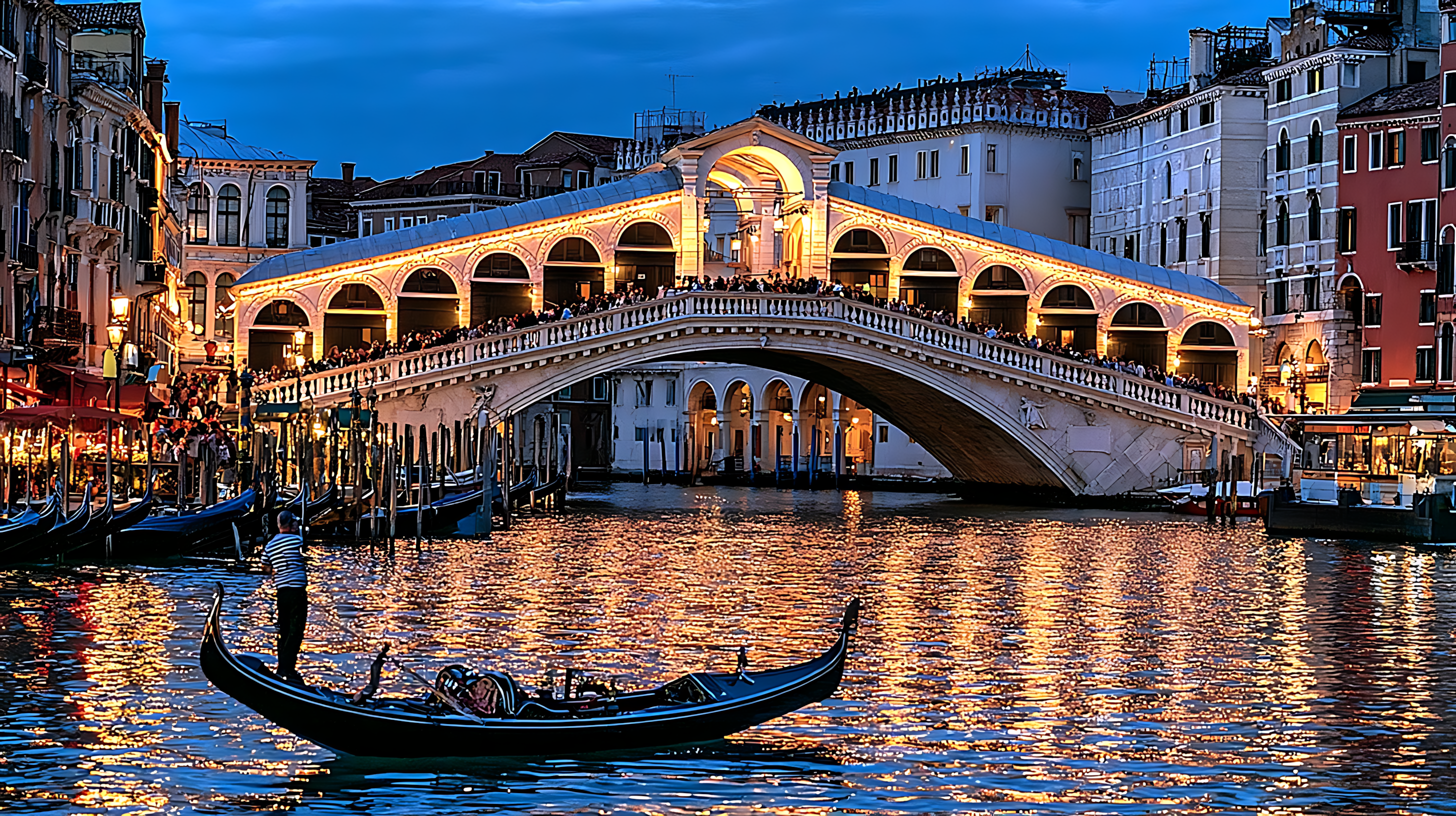
The Rialto Bridge, the oldest of the four bridges spanning the Grand Canal in Venice, is a marvel of Renaissance engineering. Connecting the sestieri (districts
type
stone arch bridge
built
1588-1591
last used
Present day
length
31.80 meters (main span)
address
Grand Canal, Venice, Italy
metro
Not applicable (pedestrian bridge)
entrance
Free, open to the public
typical visit
30-60 minutes
best time
Early morning or late afternoon to avoid crowds
accessibility
Accessible, but steep ramps may be challenging for some
Overview
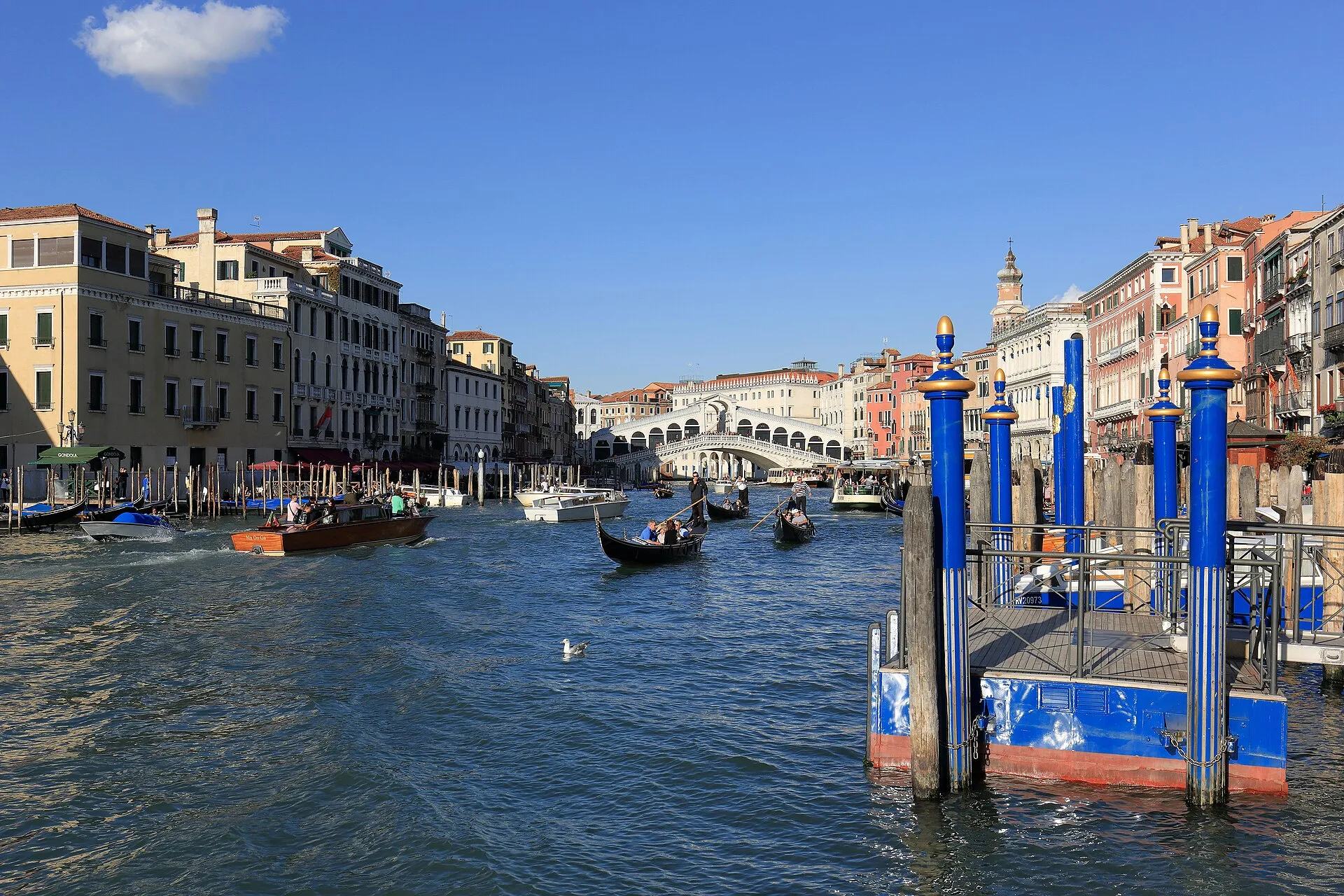
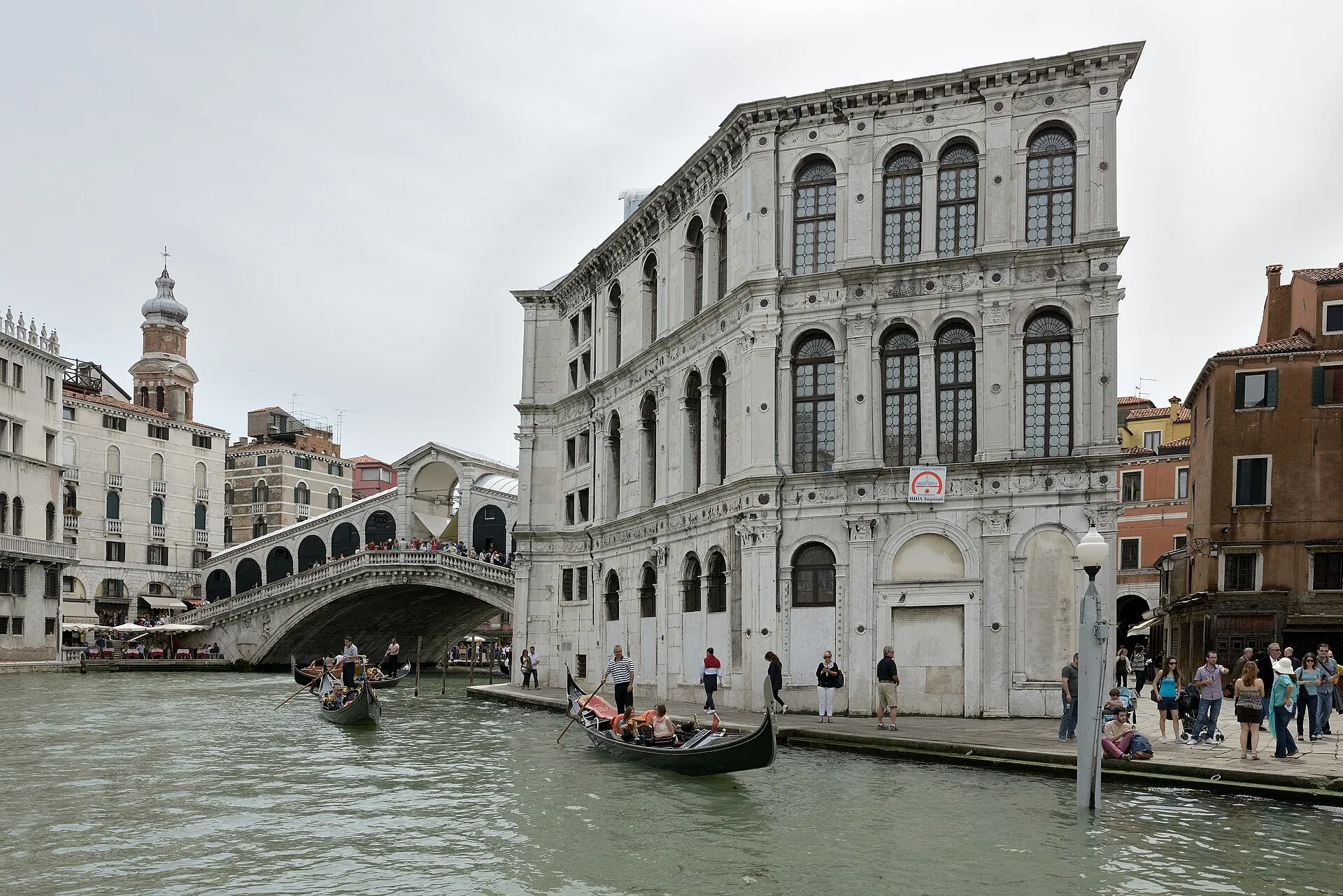
The Rialto Bridge, the oldest of the four bridges spanning the Grand Canal in Venice, is a marvel of Renaissance engineering. Connecting the sestieri (districts) of San Marco and San Polo, this iconic pedestrian bridge has been a central part of Venetian life for centuries. Its elegant design, with two ramps leading to a central portico, is adorned with shops that have long been a bustling hub of commerce. The bridge's history, from its humble beginnings as a pontoon bridge to its current status as a symbol of Venice, makes it a must-see for any visitor to the city.
Photo & Video Gallery
Plan your visit · tickets & tours
Powered by the smart booking engine · trusted providers, direct links


Location
History of the attraction
Scroll through two thousand years
First Pontoon Bridge
Nicolò Barattieri builds the first pontoon bridge, called the Ponte della Moneta.
Wooden Bridge Replaces Pontoon
A wooden bridge with a movable central section replaces the pontoon bridge, facilitating ship passage.
Shops Added
Two rows of shops are built along the sides of the wooden bridge, generating income for the State Treasury.
Bridge Collapses
The wooden bridge collapses under the weight of a crowd, necessitating further reconstruction.
Stone Bridge Proposal
The idea of rebuilding the bridge in stone is first proposed, but not immediately acted upon.
Construction Begins
Antonio da Ponte's design is selected, and construction of the stone bridge begins.
Completion
The Rialto Bridge is completed, becoming an architectural icon and a vital link between the districts of San Marco and San Polo.
The story behind the attraction
The Rialto Bridge stands as a testament to the ingenuity and resilience of Venetian engineering, evolving from a simple pontoon bridge to a grand stone structure that continues to captivate visitors today.
From Pontoon to Stone
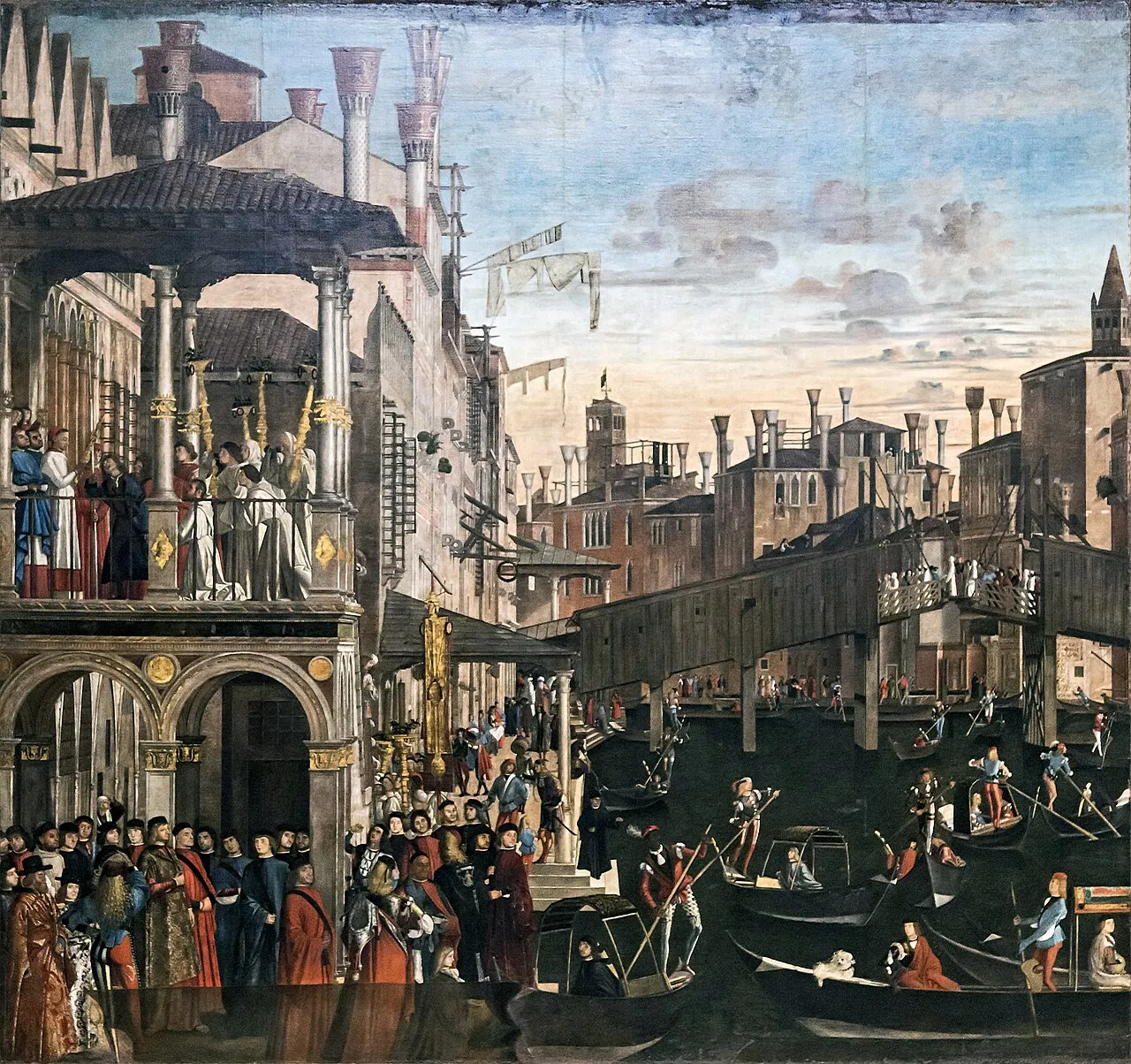
The bridge's journey began in 1181 as a pontoon bridge, which was replaced by a wooden bridge in 1255. The wooden bridge, despite its practicality, faced numerous challenges, including fires and collapses, until the decision to rebuild it in stone was made in the 16th century.
Antonio da Ponte's Vision
In 1588, Antonio da Ponte's design for a single-span stone bridge was chosen. Despite initial skepticism, the bridge was completed in 1591 and has since become one of Venice's most recognizable landmarks.
A Hub of Commerce
The Rialto Bridge has always been a center of trade and commerce. The addition of shops along its sides in the 15th century transformed it into a bustling marketplace, a tradition that continues to this day.
Architectural Marvel
The bridge's design, with its central portico and two ramps, is both functional and aesthetically pleasing. It has defied the predictions of ruin and remains a symbol of Venice's enduring legacy.
“There being no vehicles or horses in Venice, it is simply for pedestrians.”
Legends & side stories
The Marquis of Ferrara's Wedding
In 1444, the wooden bridge collapsed under the weight of a crowd rushing to see the marriage of the Marquis of Ferrara, highlighting the need for a more robust structure.
What to see today
01Central Portico
Admire the elegant central portico, which offers stunning views of the Grand Canal and the surrounding architecture.
02Bridge Shops
Explore the historic shops lining the bridge, where you can find a variety of souvenirs, jewelry, and local crafts.
03View from the Top
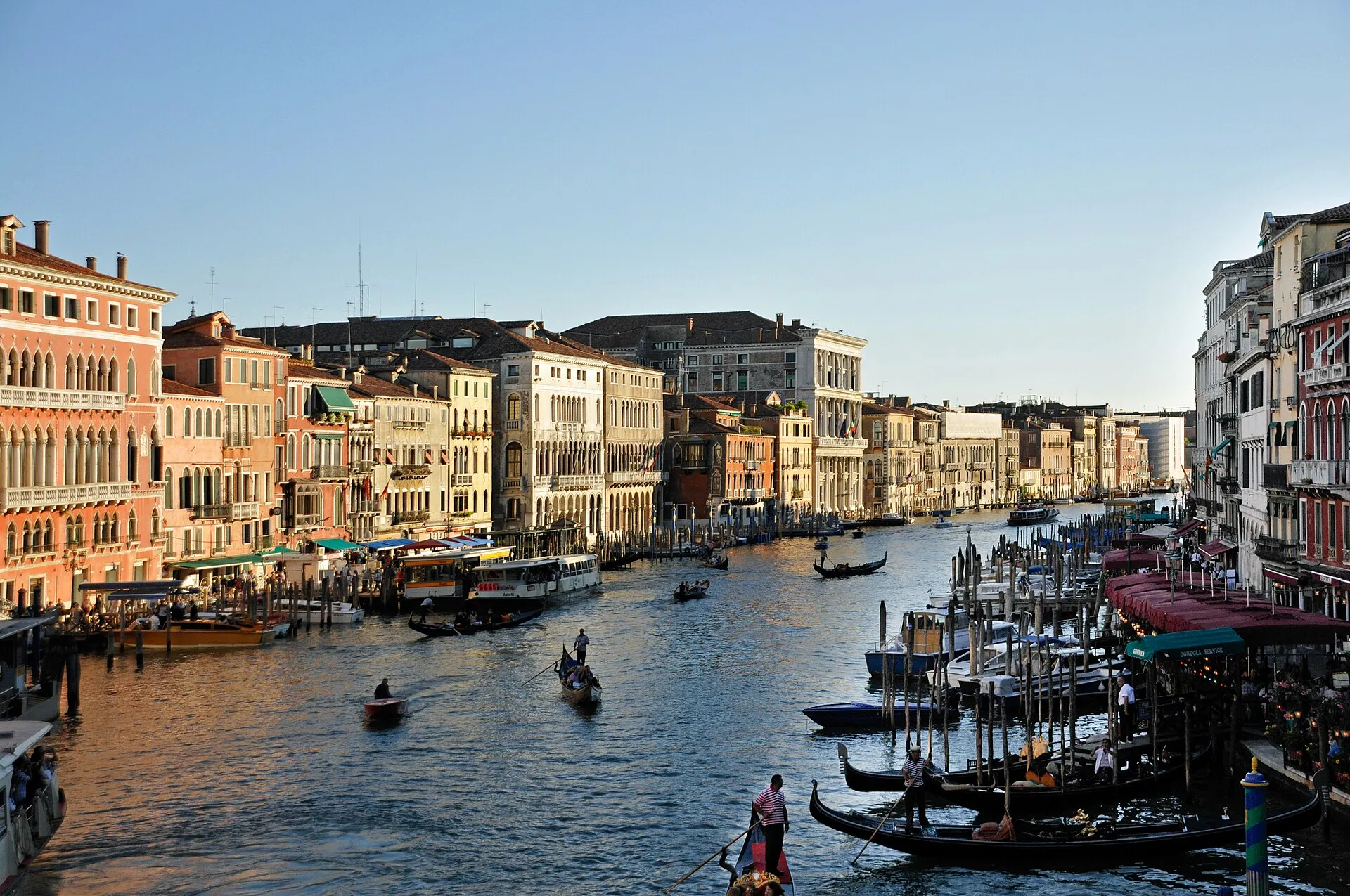
Climb to the top of the bridge for a panoramic view of the canal and the bustling activity below.
04Rialto Market
Visit the nearby Rialto Market, a vibrant and historic marketplace that has been a part of Venetian life for centuries.
Visitor information
tips
Wear comfortable shoes and be prepared for crowds, especially during peak tourist seasons.
hours
Open 24/7
tickets
Free, no tickets required
best time
Early morning or late afternoon to avoid crowds
accessibility
Accessible, but steep ramps may be challenging for some
getting there
Accessible by foot; nearest vaporetto stops are Rialto and Rialto Mercato
family friendly
Yes, suitable for all ages