
Doges Palace
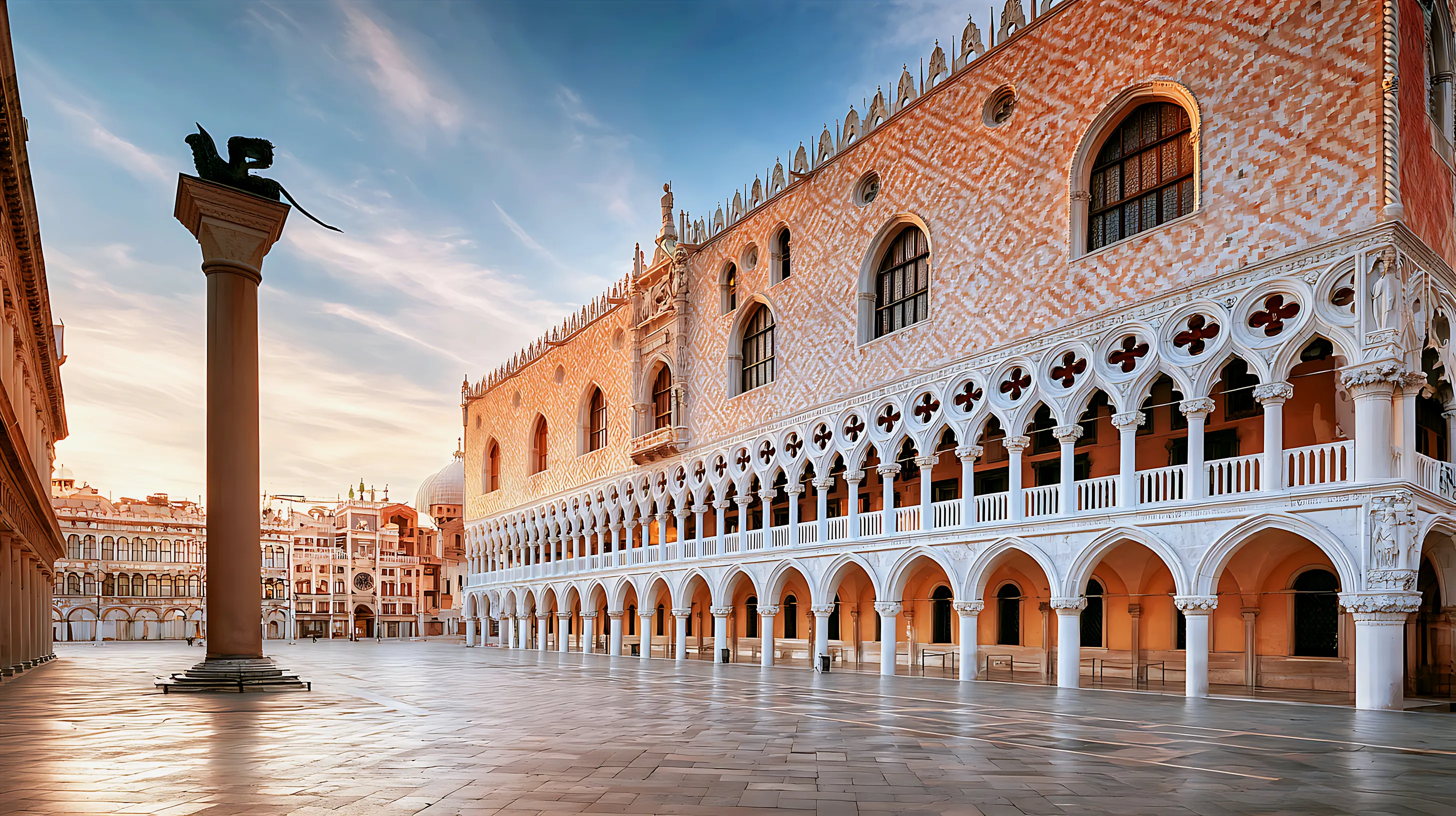
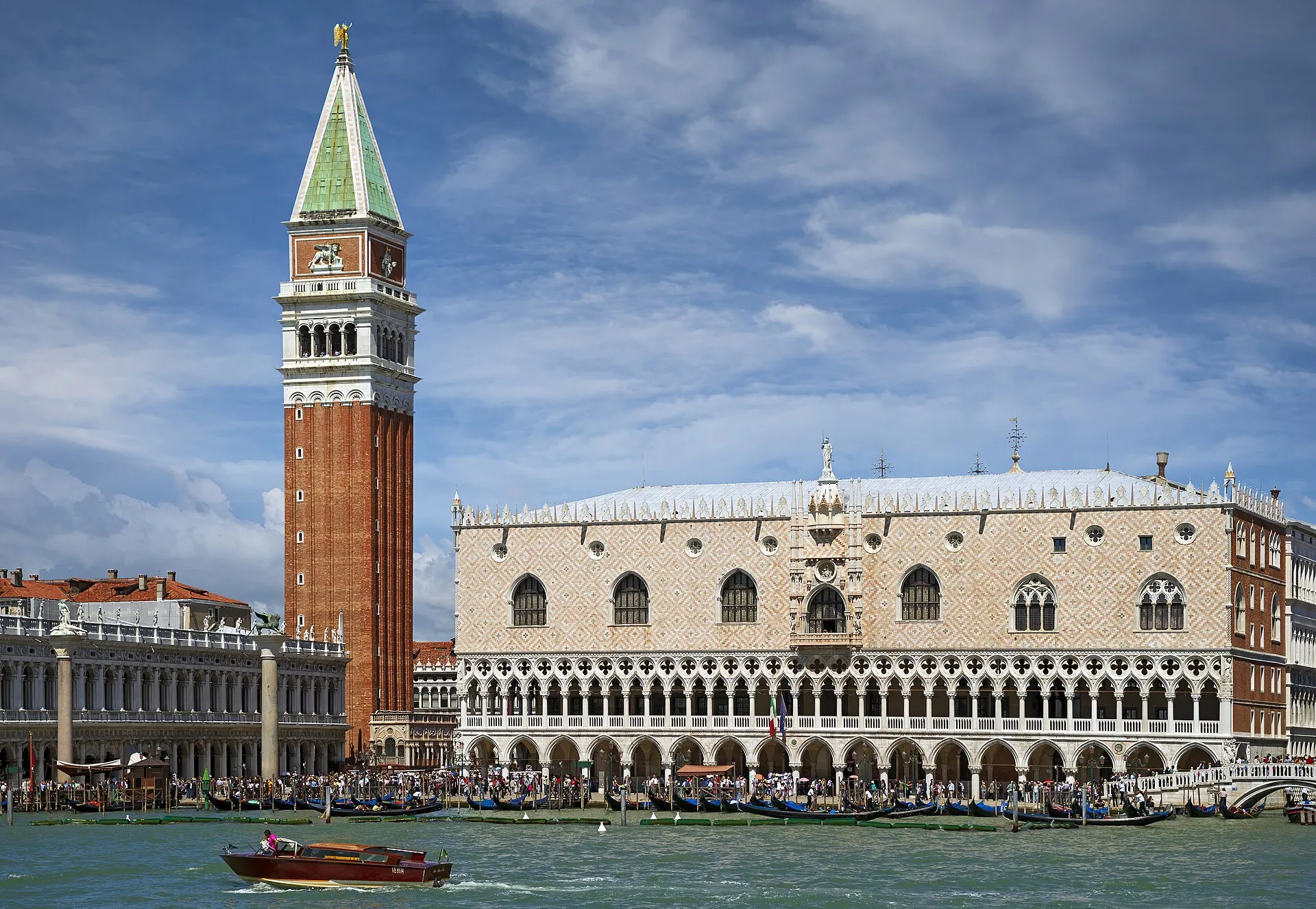
The Doges Palace, a masterpiece of Gothic and Renaissance architecture, stands as a symbol of Venice's maritime power and political might. Its intricate facade,
type
Gothic and Renaissance palace
built
14th-15th century
last used
1797 (as a seat of government)
length
N/A
capacity
N/A
address
Piazza San Marco, 1, 30124 Venezia VE, Italy
metro
N/A (no metro in Venice)
entrance
Main entrance on Piazza San Marco
typical visit
2-3 hours
best time
Early morning or late afternoon to avoid crowds
accessibility
Partially accessible; some areas have steps
Overview
The Doges Palace, a masterpiece of Gothic and Renaissance architecture, stands as a symbol of Venice's maritime power and political might. Its intricate facade, adorned with arches and sculptures, overlooks the Piazza San Marco. Inside, the opulent chambers and grand council halls narrate the story of the Venetian Republic, from its rise to its fall. The palace is a testament to the city's rich history and artistic legacy, offering visitors a glimpse into the lives of the doges and the workings of the Venetian government.
Photo & Video Gallery
Plan your visit · tickets & tours
Powered by the smart booking engine · trusted providers, direct links


Location
History of the attraction
Scroll through two thousand years
First Palace Built
The first Doge's Palace was constructed on the site of the present building.
Fire Damage
The original palace was destroyed by fire, leading to the construction of a new structure.
Current Structure Begins
Construction of the current Gothic-style Doges Palace began, replacing the earlier structures.
Expansion and Renovation
Major expansions and renovations were undertaken, including the addition of the Porta della Carta.
Grand Council Hall
The Great Council Hall, one of the largest rooms in Europe, was completed.
Prison Connection
The Bridge of Sighs was built to connect the palace to the New Prison.
End of the Republic
The fall of the Venetian Republic marked the end of the palace's use as a seat of government.
The story behind the attraction
The Doges Palace, with its ornate facades and grand interiors, is a living museum of Venetian history and art. It has witnessed the rise and fall of one of the world's most powerful maritime empires.
The Rise of the Doges
From the 9th to the 18th century, the Doges Palace served as the residence and seat of power for the Doge, the elected ruler of the Venetian Republic. The palace's architecture and decoration reflect the wealth and influence of the city during this period.
Architectural Marvel
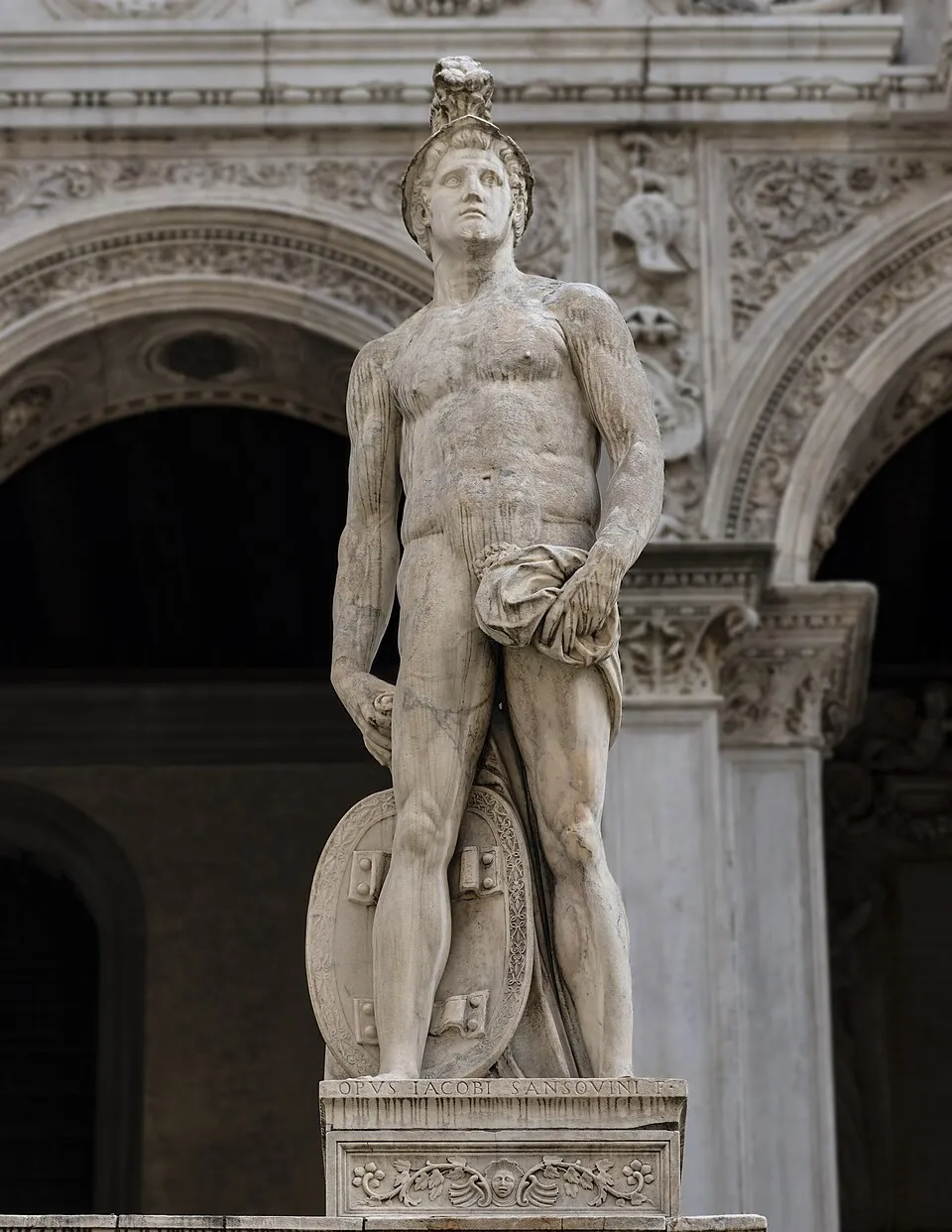
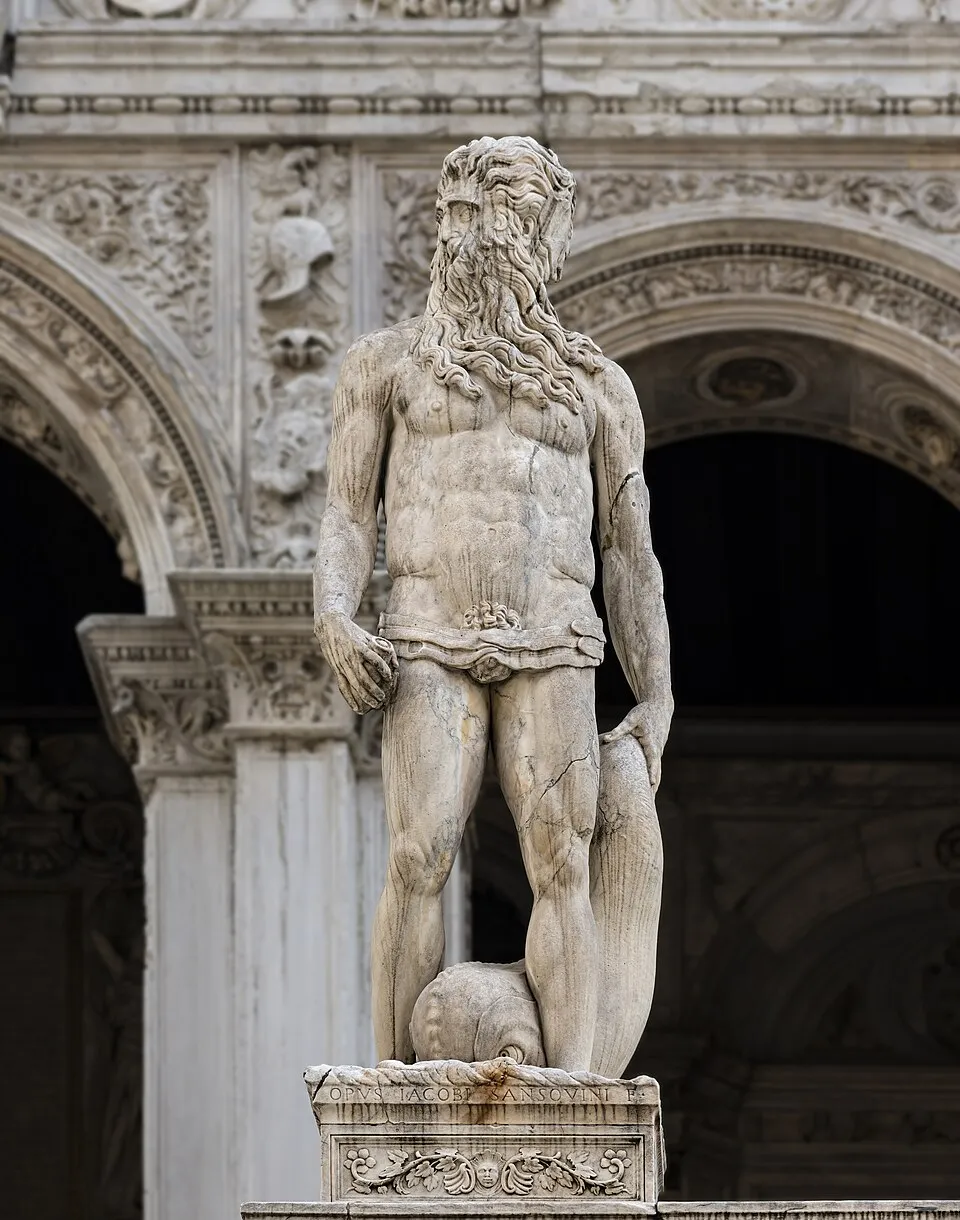
The palace's design is a blend of Gothic and Renaissance styles, featuring intricate stone carvings, pointed arches, and elaborate frescoes. The exterior is adorned with statues and reliefs that depict historical and mythological figures.
The Grand Council Hall
One of the most impressive rooms in the palace is the Grand Council Hall, which could accommodate up to 2,000 people. The hall is decorated with large paintings by Tintoretto and Veronese, depicting significant events in Venetian history.
The Bridge of Sighs
The Bridge of Sighs, a covered bridge made of white limestone, connects the Doges Palace to the New Prison. It is named for the sighs of prisoners who, it is said, would catch their last glimpse of Venice through the small windows as they were led to their cells.
“The Doges Palace is a place where every stone tells a story, and every room holds a secret.”
“In the Doges Palace, you can feel the weight of history and the echoes of the past.”
Legends & side stories
The Bridge of Sighs
According to legend, if lovers kiss under the Bridge of Sighs at sunset while passing beneath on a gondola, they will be granted eternal love and happiness.
What to see today
01The Grand Council Hall
Admire the vast hall with its stunning ceiling and monumental paintings by Tintoretto and Veronese.
02The Bridge of Sighs
Walk across the iconic bridge and imagine the stories of those who passed through it.
03The Ducal Apartments
Explore the private quarters of the Doges, filled with exquisite artwork and furnishings.
04The Prisons
Visit the dark and cramped cells where prisoners were held, including the famous Piombi (lead) prisons.
05The Arsenal
Discover the armory, which houses an impressive collection of weapons and armor used by the Venetian military.
Visitor information
tips
Book tickets in advance to skip the line, and consider a guided tour for a deeper understanding of the palace's history.
hours
April-October: 8:30 AM - 7:00 PM, November-March: 8:30 AM - 5:30 PM
tickets
€20 for adults, €12 for students, free for children under 6
best time
Early morning or late afternoon to avoid crowds
accessibility
Partially accessible; some areas have steps
getting there
Accessible by vaporetto (water bus) to San Marco, Vallaresso stop
family friendly
Yes, but some areas may not be suitable for very young children due to stairs and narrow passages.