

Trevi Fountain
The Trevi Fountain is a breathtaking Baroque masterpiece that has captivated visitors for centuries. Nestled in the heart of Rome, this iconic fountain is a sym
type
Baroque fountain
built
1762
last used
N/A (still in use)
length
85 feet (26 meters) wide, 65 feet (20 meters) high
capacity
N/A (public space)
address
Piazza di Trevi, 00187 Roma RM, Italy
metro
Barberini - Fontana di Trevi (Line A)
entrance
Free (donations accepted)
typical visit
30 minutes to 1 hour
best time
Early morning or late evening to avoid crowds
accessibility
Wheelchair accessible, but can be crowded
Overview
The Trevi Fountain is a breathtaking Baroque masterpiece that has captivated visitors for centuries. Nestled in the heart of Rome, this iconic fountain is a symphony of water and stone, depicting the mythological figure Oceanus riding a shell-shaped chariot. The intricate sculptures and dramatic play of light and water make it a must-see for anyone visiting the Eternal City.
Photo & Video Gallery
Plan your visit · tickets & tours
Powered by the smart booking engine · trusted providers, direct links


Location
History of the attraction
Scroll through two thousand years
Aqua Virgo Aqueduct
The Aqua Virgo aqueduct, which still supplies the fountain, was built by Agrippa.
First Fountain
A simple basin was placed at the end of the aqueduct to provide water to the people.
Commissioned by Urban VIII
Pope Urban VIII commissioned Gian Lorenzo Bernini to design a new fountain, but the project was not completed.
New Design by Salvi
Pope Clement XII held a competition for a new design, which was won by Nicola Salvi.
Construction Begins
Nicola Salvi began the construction of the Trevi Fountain, which continued after his death.
Completion
The fountain was completed by Giuseppe Pannini, following Salvi's design.
Restoration
A major restoration project was undertaken, funded by Fendi, to restore the fountain to its original splendor.
The story behind the attraction
The Trevi Fountain is more than just a beautiful work of art; it is a symbol of Rome's rich history and enduring legacy. Its story is one of artistic vision, political patronage, and the timeless allure of water.
The Birth of a Masterpiece
The idea for the Trevi Fountain was born out of the need to provide clean water to the people of Rome. The Aqua Virgo aqueduct, built in 19 BC, supplied the water, and over the centuries, various fountains were constructed to mark its endpoint.
Bernini's Vision
In the 17th century, Pope Urban VIII commissioned Gian Lorenzo Bernini to create a grand fountain, but the project was halted due to lack of funds. It wasn't until the 18th century that the vision was revived under Pope Clement XII, who held a competition for a new design.
Salvi's Triumph
Nicola Salvi, an architect and sculptor, won the competition with his ambitious design. His vision was to create a monumental fountain that would celebrate the power and beauty of water, incorporating elements of Roman mythology and Baroque artistry.
A Legacy of Art and Legend
The Trevi Fountain became a beloved landmark, not only for its stunning beauty but also for the legends and traditions that surround it. The most famous is the tradition of throwing a coin into the fountain to ensure a return to Rome, a custom that continues to this day.
“The Trevi Fountain is a symphony of water and stone, a masterpiece of Baroque art that captures the essence of Rome's grandeur.”
“To see the Trevi Fountain is to understand the soul of Rome, where ancient history and modern life converge in a timeless dance of water and light.”
Legends & side stories
The Coin Toss
According to legend, if you throw a coin into the Trevi Fountain with your right hand over your left shoulder, you will return to Rome. This tradition, popularized by the 1954 film 'Three Coins in the Fountain,' has become a cherished ritual for visitors.
What to see today
01Oceanus Statue
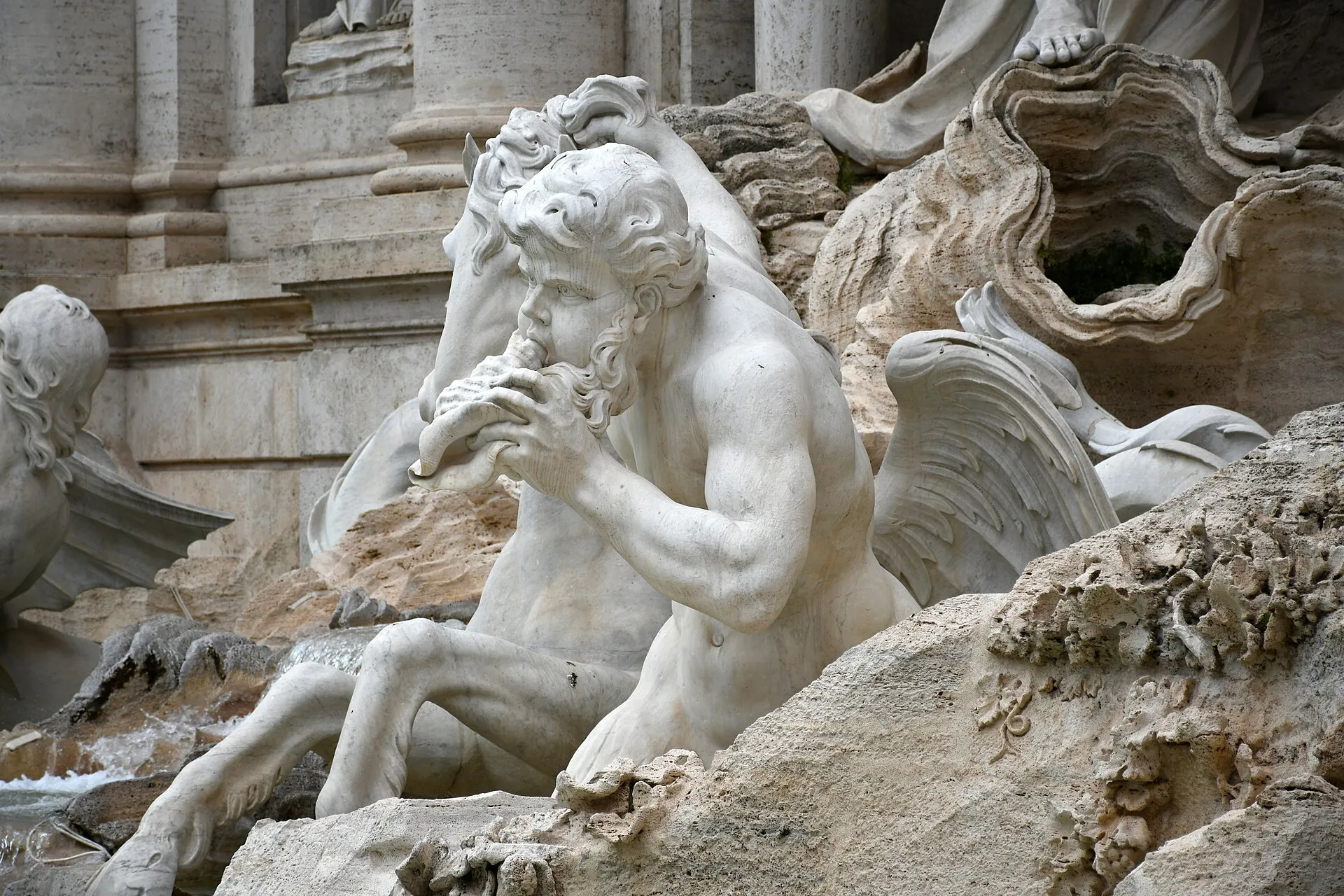
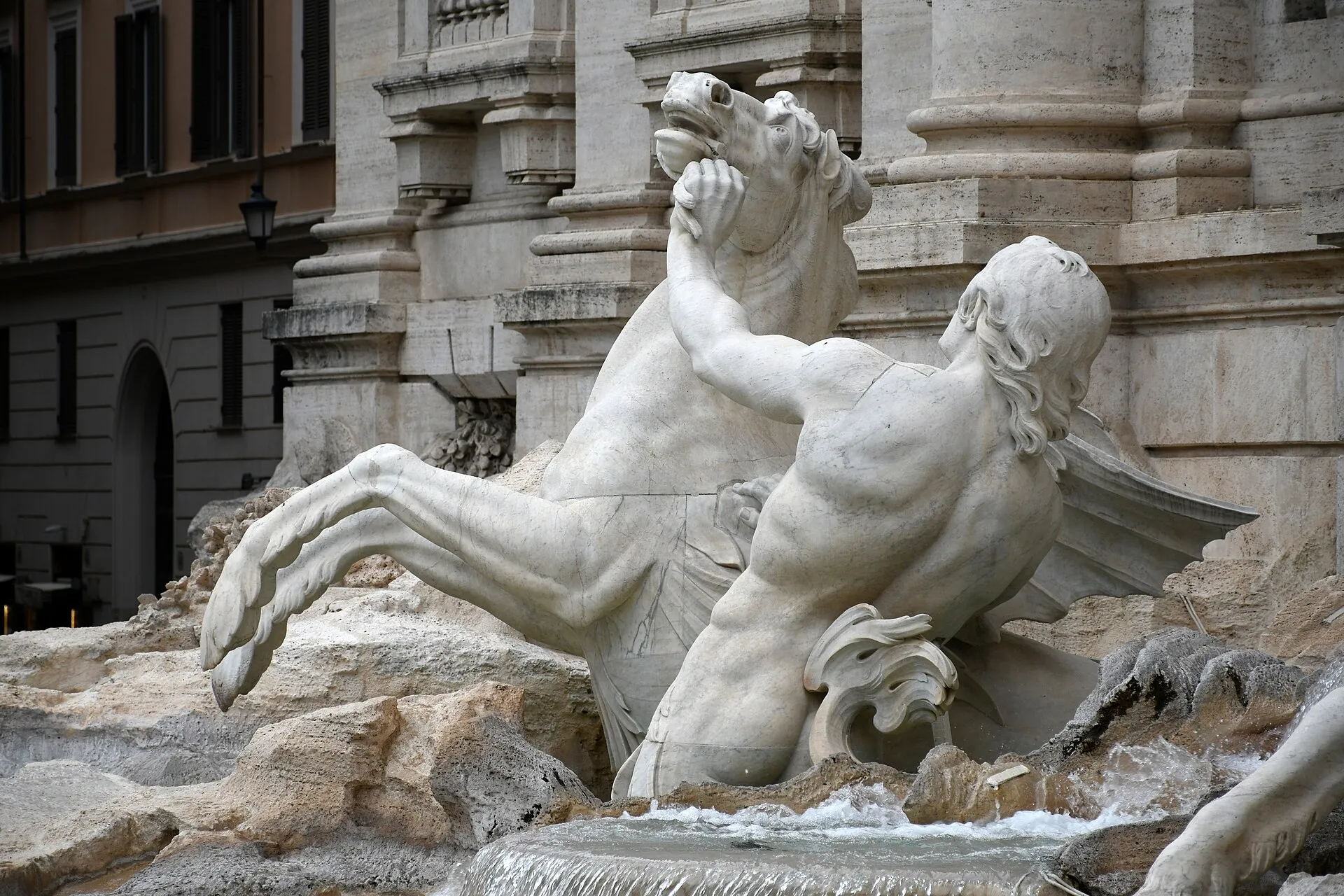
The central figure of the fountain, Oceanus, is a powerful representation of the sea, riding a shell-shaped chariot pulled by seahorses and led by tritons.
02Reliefs and Sculptures
The intricate reliefs and sculptures around the fountain depict scenes from Roman mythology, including the discovery of the Aqua Virgo aqueduct by a virgin maiden.
03Water Play
The dynamic interplay of water, cascading and splashing, creates a mesmerizing effect, especially when illuminated at night.
04Architectural Details
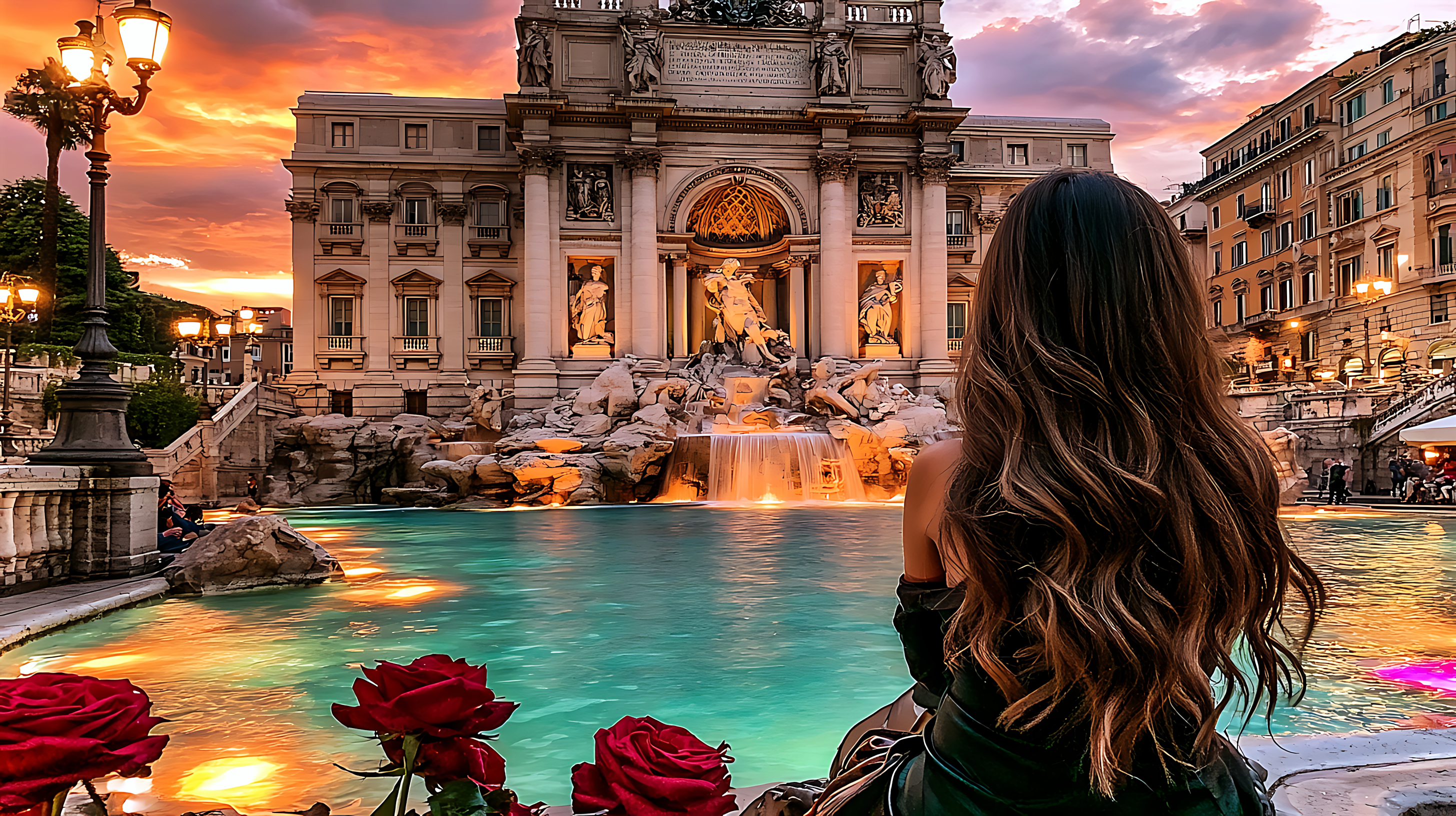
The Baroque architecture of the Palazzo Poli, which forms the backdrop of the fountain, is a stunning example of 18th-century design.
Visitor information
tips
Bring a small coin to participate in the traditional coin toss, and be mindful of pickpockets in the area.
hours
24/7, but best visited during daylight hours or early evening
tickets
Free, but donations are appreciated
best time
Early morning or late evening to avoid crowds
accessibility
Wheelchair accessible, but can be crowded
getting there
Metro: Barberini - Fontana di Trevi (Line A), Bus: 62, 80, 85, 160, 170, 492, 628, 916
family friendly
Yes, suitable for all ages