

Colosseum
The Colosseum, an enduring symbol of Rome, stands as a testament to the grandeur and engineering prowess of the ancient world. This colossal structure, once the
type
Ancient Roman amphitheatre
built
70-80 AD
last used
5th century AD
length
189 meters (620 feet)
capacity
50,000 to 80,000 spectators
address
Piazza del Colosseo, 1, 00184 Roma RM, Italy
metro
Colosseo (Line B)
entrance
Main entrance on Piazza del Colosseo
typical visit
1.5 to 2 hours
best time
Early morning or late afternoon to avoid crowds
accessibility
Partial wheelchair access; some areas are not accessible
Overview
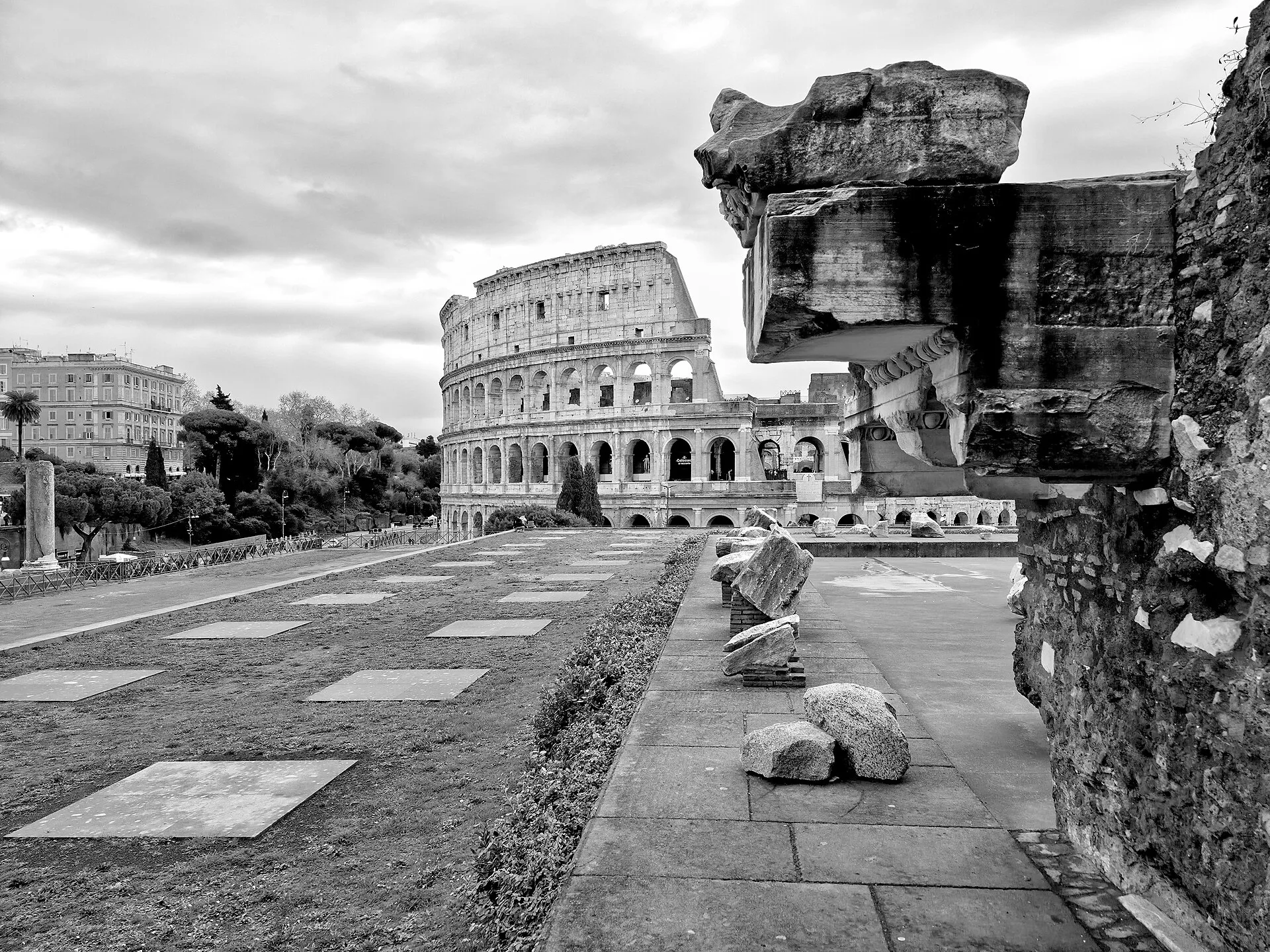
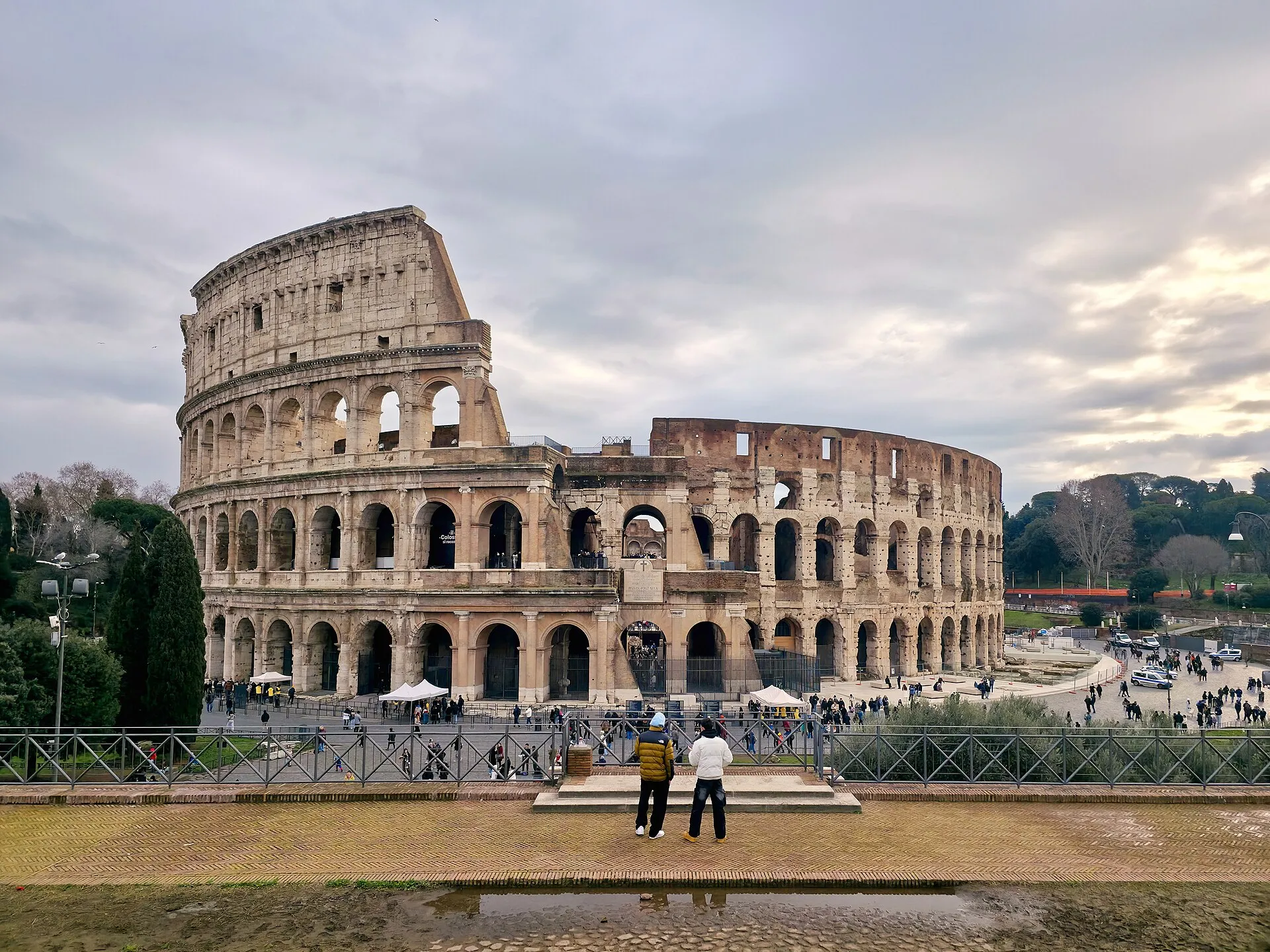
The Colosseum, an enduring symbol of Rome, stands as a testament to the grandeur and engineering prowess of the ancient world. This colossal structure, once the heart of public entertainment, now draws millions of visitors each year. Its imposing facade and intricate architecture evoke the might and sophistication of the Roman Empire, while its history is a vivid tapestry of gladiatorial contests, public spectacles, and political intrigue.
Photo & Video Gallery
Plan your visit · tickets & tours
Powered by the smart booking engine · trusted providers, direct links


Location
History of the attraction
Scroll through two thousand years
Construction Begins
Emperor Vespasian initiates the construction of the Flavian Amphitheatre, later known as the Colosseum.
Inauguration
Emperor Titus inaugurates the Colosseum with 100 days of games, including gladiatorial combats and wild animal hunts.
Fire Damage
A fire caused by lightning severely damages the upper levels of the Colosseum, leading to extensive repairs.
End of Gladiatorial Games
Honorius, the Western Roman Emperor, bans gladiatorial games, marking the end of the Colosseum's primary function.
Last Known Use
The last recorded events in the Colosseum include animal hunts and other public spectacles, but it gradually falls into disuse.
Fortress Conversion
The Frangipani family converts part of the Colosseum into a fortress, using it for various purposes, including housing and defense.
Restoration and Preservation
Efforts to restore and preserve the Colosseum begin, with major archaeological and conservation projects undertaken.
The story behind the attraction
The Colosseum, a marvel of ancient engineering, has been a focal point of Roman life for centuries, from its inception as a venue for gladiatorial games to its current status as a UNESCO World Heritage site.
The Grand Opening
In 80 AD, Emperor Titus celebrated the inauguration of the Colosseum with a spectacular 100-day festival, featuring gladiatorial combats, exotic animal hunts, and theatrical performances.
Engineering Marvel
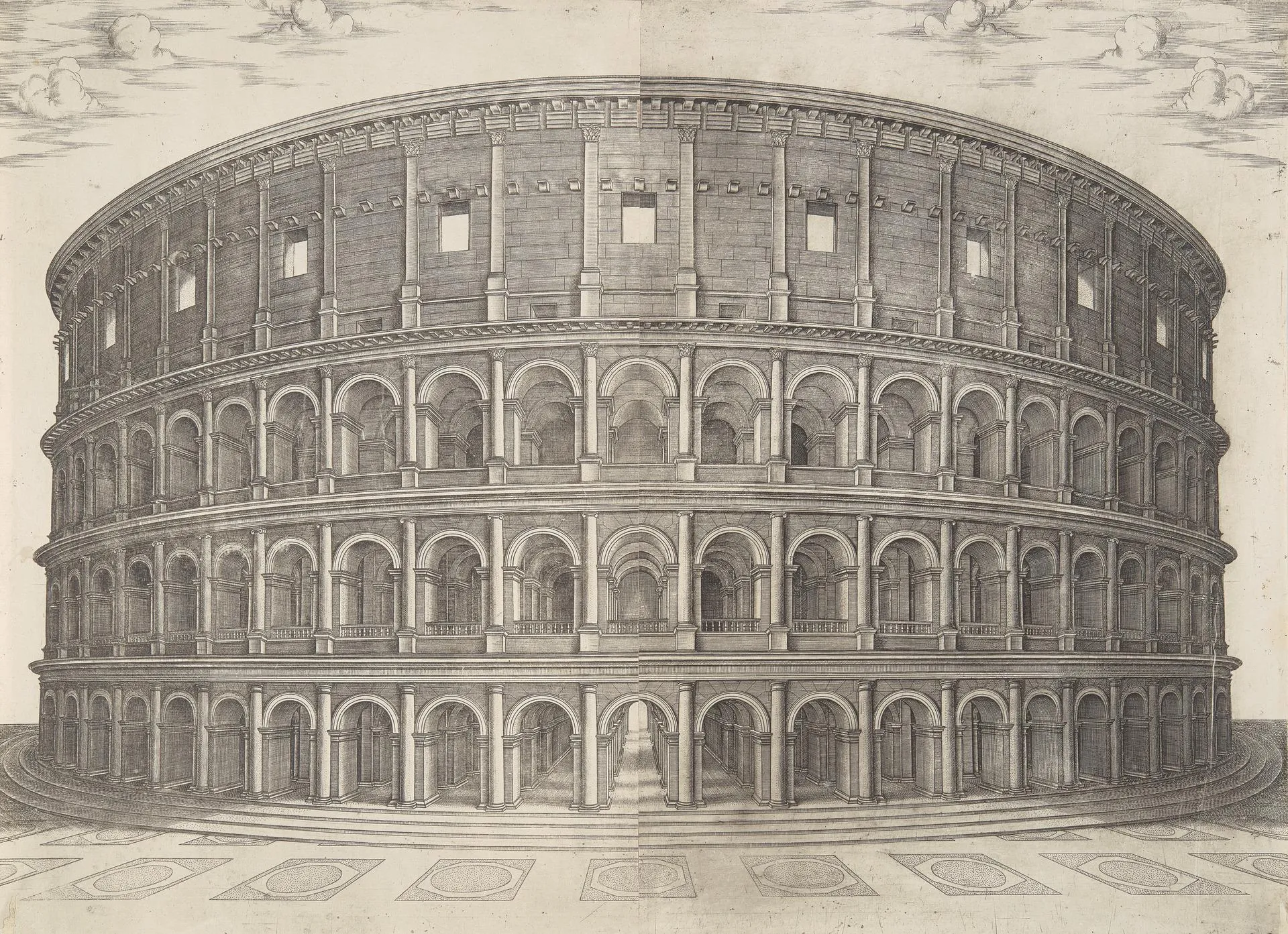
The Colosseum's design was revolutionary, featuring a complex system of vaults, arches, and a retractable awning (velarium) that provided shade for the audience. The arena could be flooded for naval battles (naumachiae), showcasing the Romans' ingenuity.
Gladiators and Spectacle
For nearly four centuries, the Colosseum hosted gladiatorial contests, where skilled fighters battled each other or wild animals. These events were not just entertainment but also a means of social control and political propaganda.
Decline and Rebirth
After the fall of the Western Roman Empire, the Colosseum fell into disrepair. It was used as a quarry, a fortress, and even a Christian shrine. In the 18th and 19th centuries, efforts to preserve the monument began, and it became a symbol of the Italian Renaissance.
Modern Icon
Today, the Colosseum is one of the most visited sites in the world, attracting millions of tourists annually. It remains a powerful symbol of Rome's past and a testament to the enduring legacy of the Roman Empire.
“While stands the Colosseum, Rome shall stand; when falls the Colosseum, Rome shall fall; and when Rome falls, the world will end.”
“The Colosseum is the very symbol of Rome, the place where the power of the empire was made visible to all, and where the fate of men and beasts was decided by the will of the emperor and the roar of the crowd.”
Legends & side stories
The Ghosts of the Colosseum
According to local legend, the spirits of gladiators and wild animals still roam the ruins of the Colosseum, especially on moonlit nights. Visitors have reported hearing eerie sounds and feeling an unexplained presence.
What to see today
01The Arena Floor
Walk on the reconstructed wooden floor of the arena, where gladiators once fought and wild animals were released.
02The Hypogeum
Explore the underground tunnels and chambers beneath the arena, where gladiators and animals were kept before their appearance in the arena.
03The Third Tier
Climb to the third tier for panoramic views of the Colosseum and the surrounding city of Rome.
04The Arch of Constantine
Admire the nearby Arch of Constantine, a triumphal arch built to commemorate the victory of Emperor Constantine over Maxentius at the Battle of Milvian Bridge.
05The Outer Facade
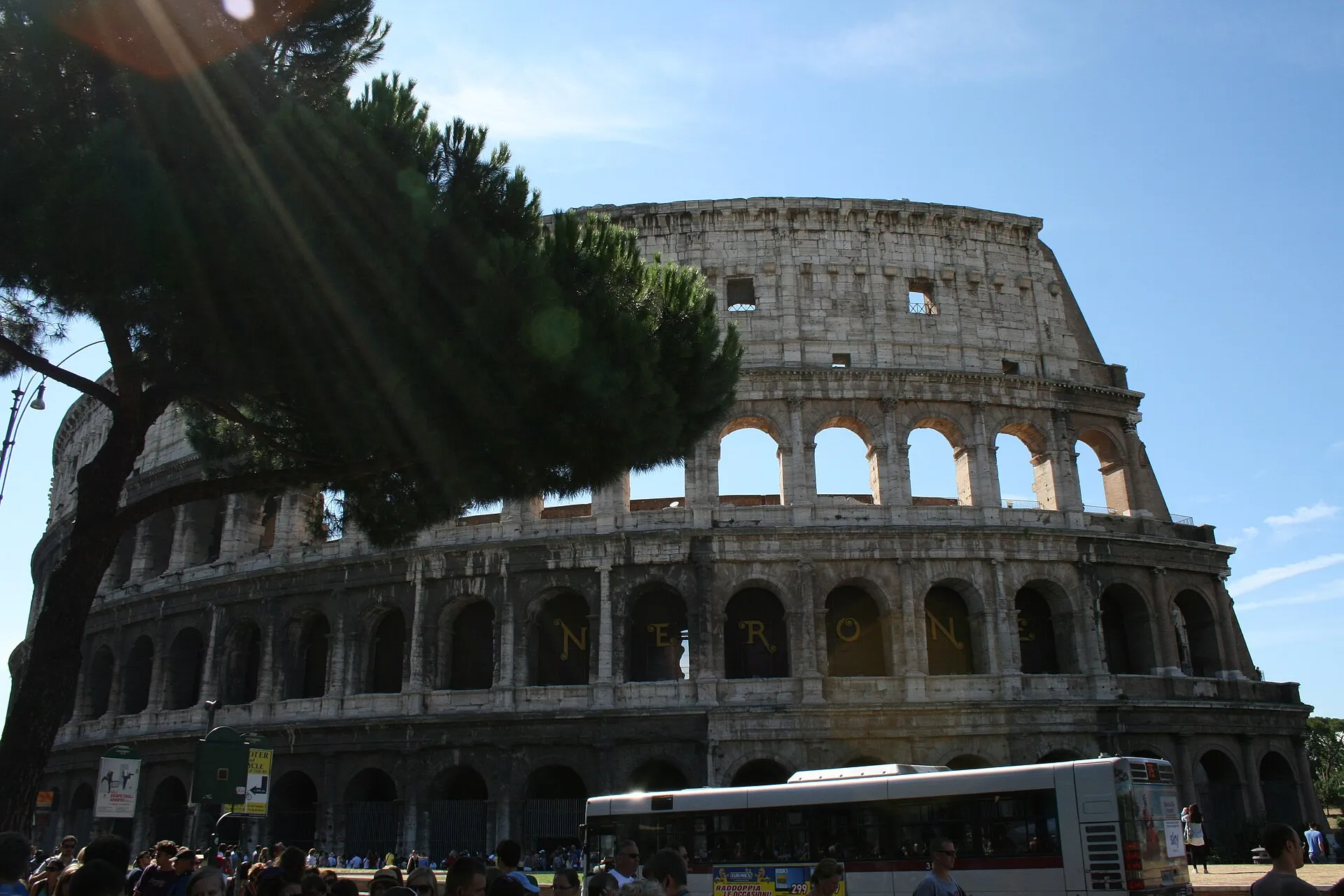
Examine the impressive outer facade, with its three levels of arches and columns, and the intricate details of the travertine stone and brickwork.
Visitor information
tips
Wear comfortable shoes, bring water, and consider a guided tour for a more in-depth experience
hours
8:30 AM - 6:15 PM (April to September); 8:30 AM - 4:30 PM (October to March)
tickets
Advance booking recommended; combined tickets available with the Roman Forum and Palatine Hill
best time
Early morning or late afternoon to avoid the largest crowds
accessibility
Partial wheelchair access; some areas are not accessible
getting there
Metro Line B to Colosseo station; several bus lines also stop nearby
family friendly
Yes, but some areas may be challenging for young children